What makes buffalo leather different
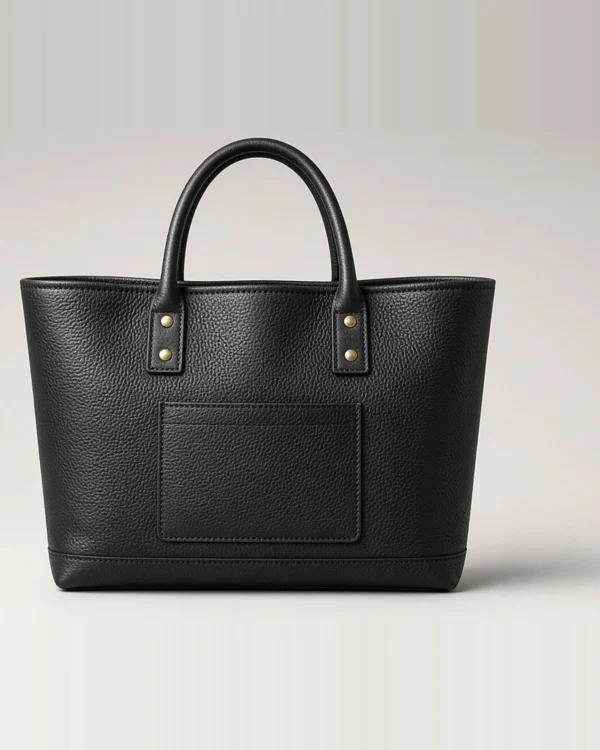
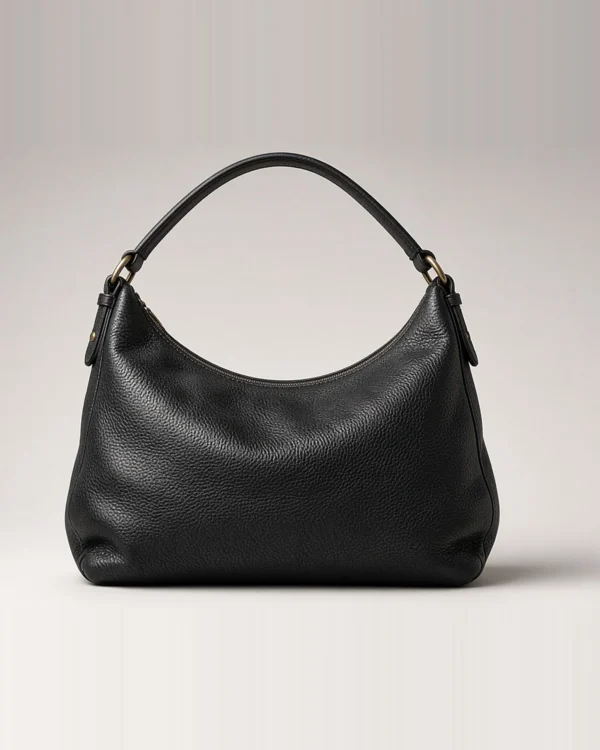
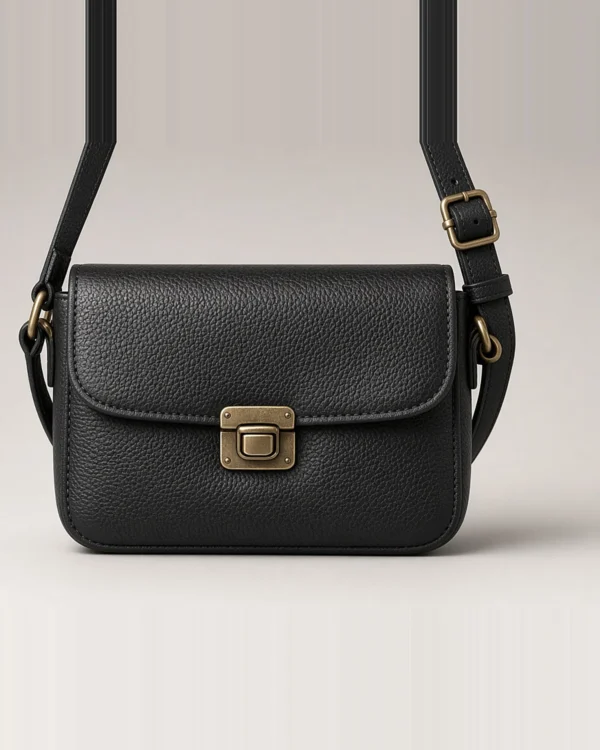
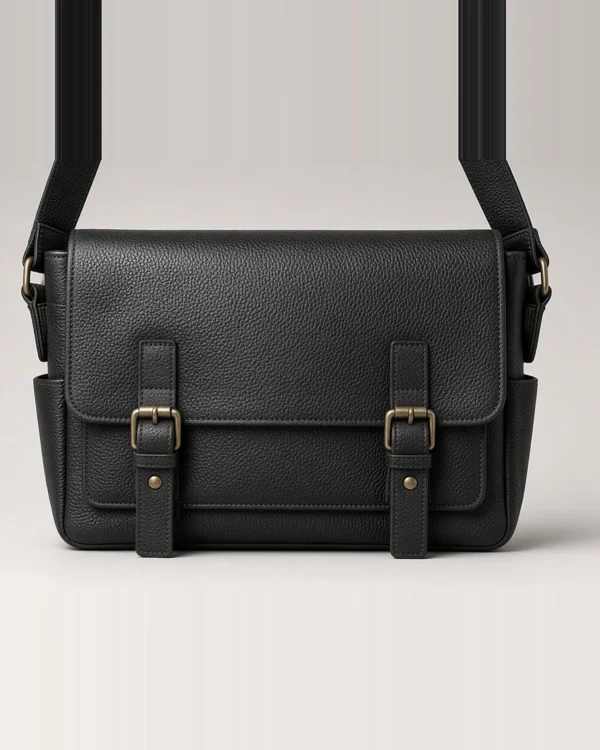
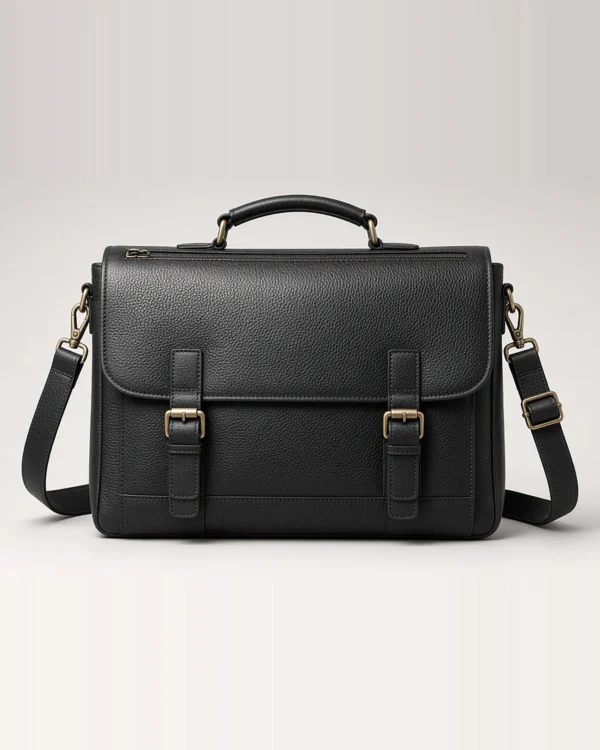
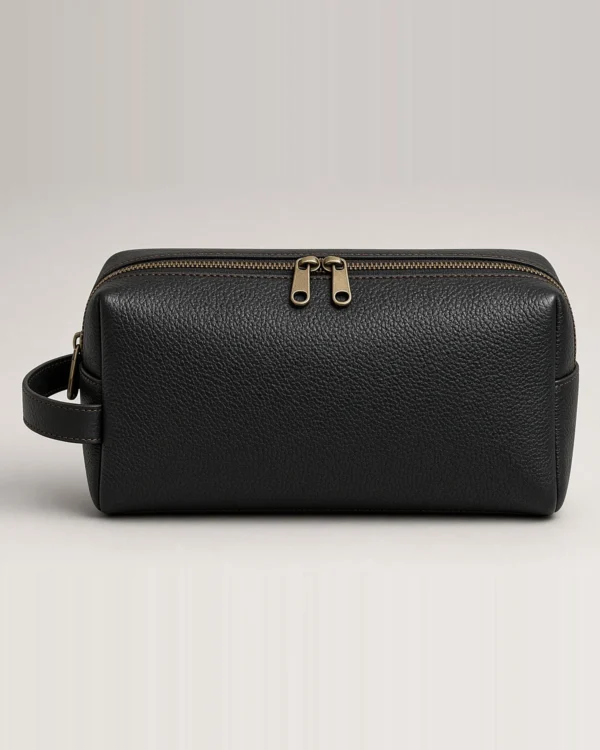
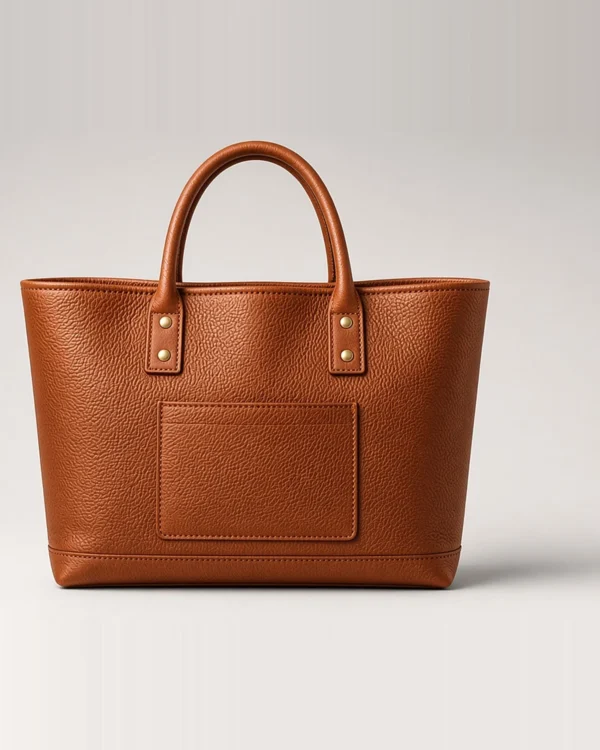
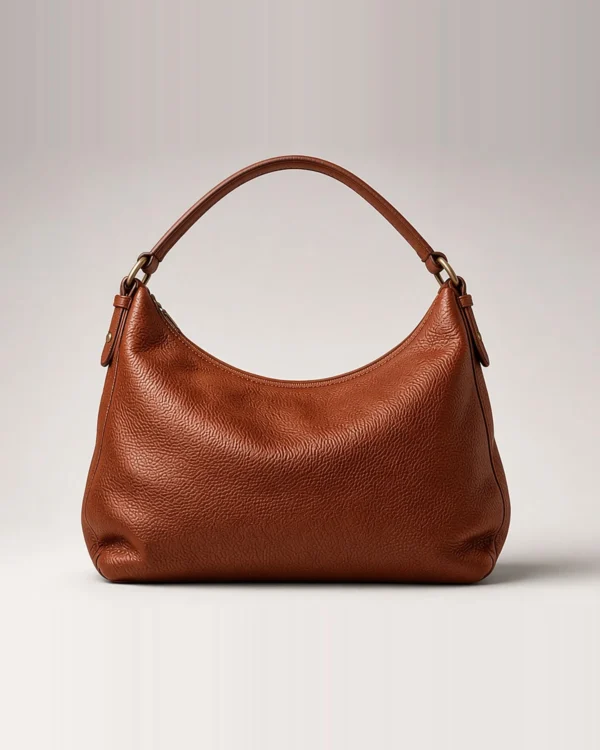
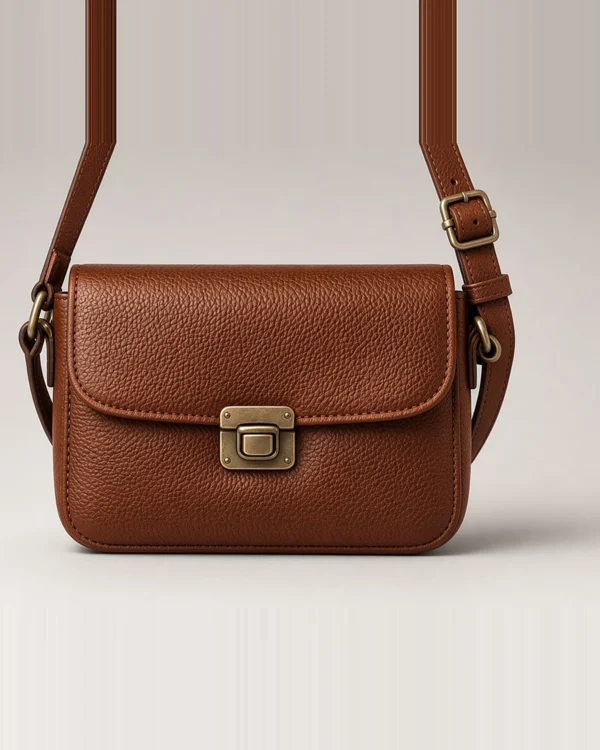
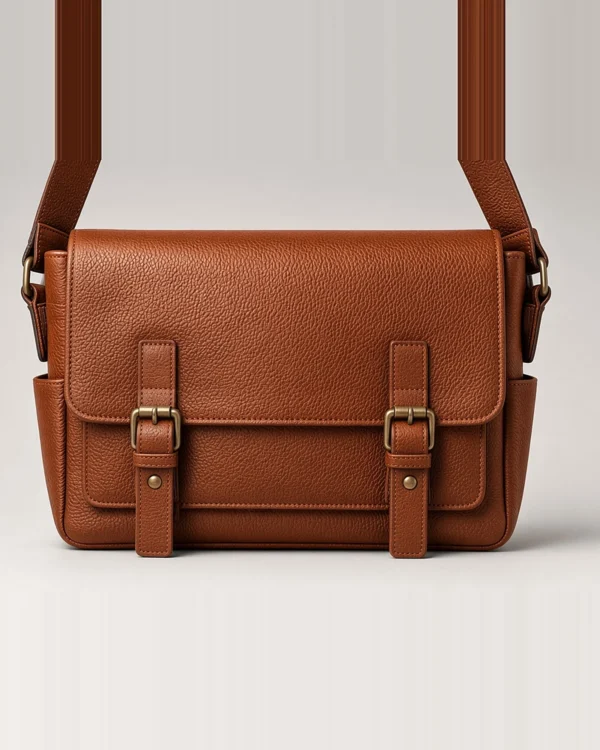
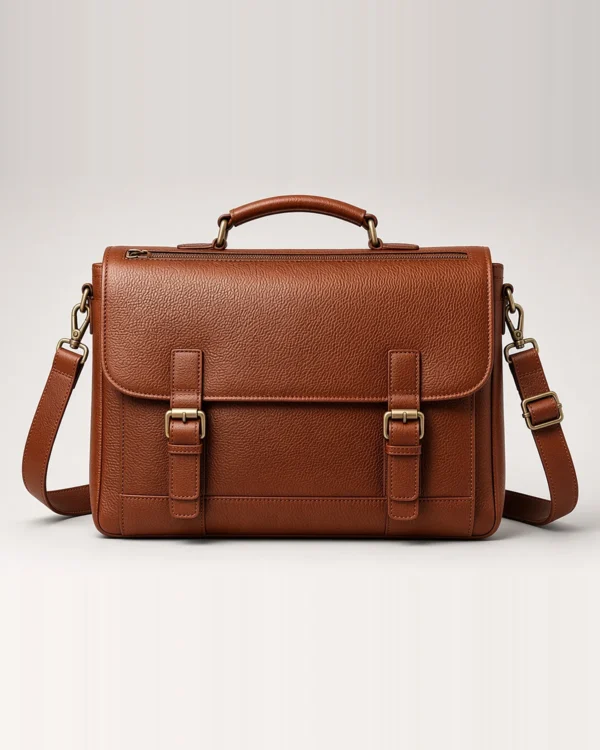
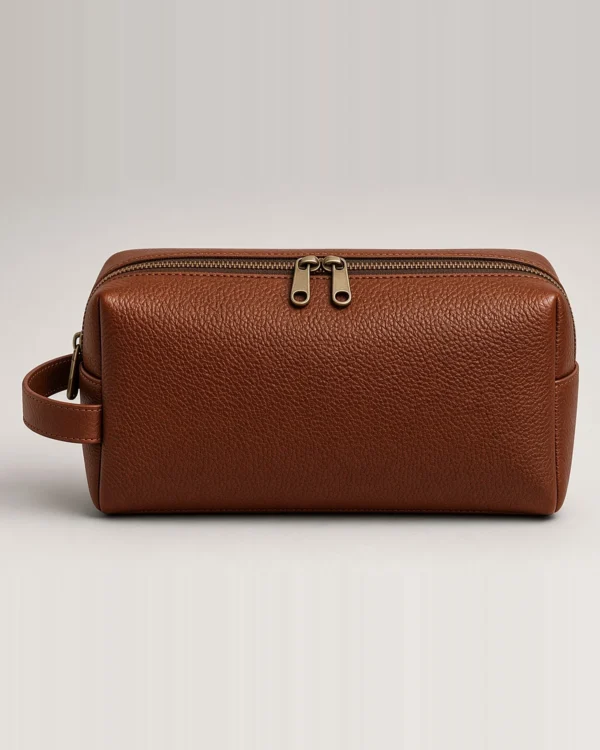
A buffalo hide has a looser, more pronounced grain than cowhide, so the surface shows natural pebbling and creases that no plate could reproduce. It is used full grain, with nothing sanded off, so it keeps the strength of the top layer. The finish is a pull-up: oils and waxes worked into the leather, which move when the hide is flexed. Fold a corner and it lightens; rub it with your thumb and the color comes back.
How it ages
Buffalo leather ages faster and more visibly than smooth cowhide. Within weeks the grain opens up at the folds and the handles take on a darker polish. Scratches lighten at first and then rub back into the surface. After a few years it is soft, deep in color and looks like it has done something, which is exactly why people choose it.
Who it suits
Choose buffalo if you are hard on bags, if you want a rugged rather than polished look, or if you want a work bag that looks better battered. Choose smooth full grain cowhide if you want a cleaner, dressier finish. Cognac and tan show the pull-up effect most; black stays the most even.
Care
Wipe it dry, keep it out of long direct sun and condition it once a year with a neutral cream. Most scuffs disappear when you rub them with a warm hand, because the oils in the finish move back into the mark. More detail is in how to care for a leather bag.
Initials and delivery
Three initials are pressed free; a blind press looks especially good on buffalo's deep grain. Bags leave the workshop in 3 to 5 working days, plus one with a monogram. Stitching is covered for life and hardware for five years, and any bag can come back within 30 days.