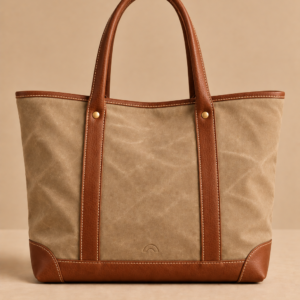
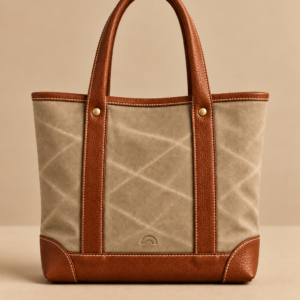
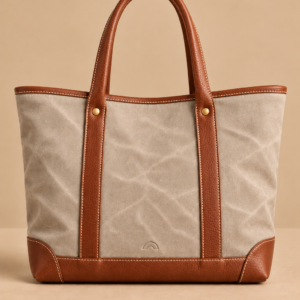
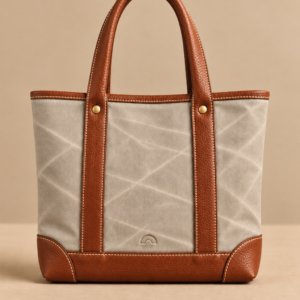
The four browns, and what each one does
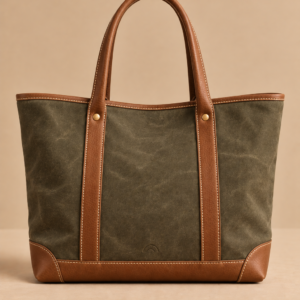
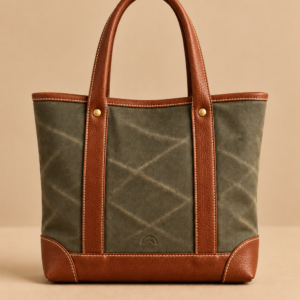
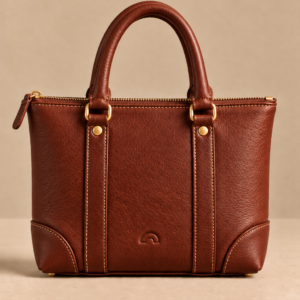
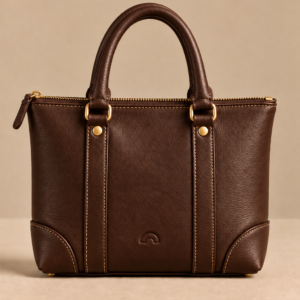
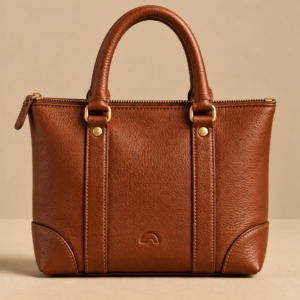
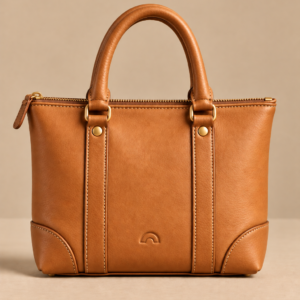
Cognac is warm amber brown, waxed rather than topcoated, and deepens about half a shade in the first year. Tan is vegetable tanned and the only leather we sell that visibly ages, moving from honey toward chestnut over roughly two years, unevenly, starting at the handles. Chocolate is dark, even and the most forgiving for daily carrying, because scuffs and water marks both vanish into it. Chestnut has a red undertone that catches in the grain and varies most between hides, which we do not correct for.
Which to buy for which problem
If you want the bag to look the same in three years, chocolate. If you want to watch it change, tan. If you want a brown that works in an office without looking like a work bag, cognac, and the zip top Lorne in cognac is the version most people choose for exactly that. If you want character rather than uniformity, chestnut.
Brown and black together
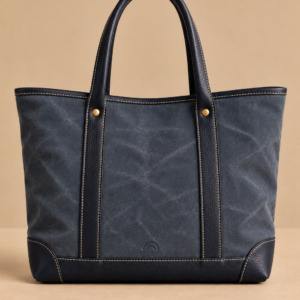
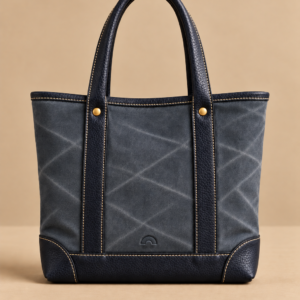
Almost every shape here also comes in black, and the woven and canvas designs use brown leather as trim against a contrasting body if you want the tone without a whole bag of it.
Ageing is not damage
Darkening, a softer hand and visible wear at the handle roots are all normal on full grain. Cracking, flaking and a pale layer showing under the surface are not, and none of those are possible on the leather we use. The care guide covers the difference.
The four browns, compared
| Tan | Cognac | Chestnut | Chocolate |
|---|
| Tone | Pale honey | Warm amber brown | Red toned mid brown | Dark even brown |
|---|
| Tanning | Vegetable | Chrome, wax finished | Chrome, through dyed | Chrome, through dyed |
|---|
| Change in year one | Large and uneven | About half a shade | About half a shade | Barely visible |
|---|
| After two years | Near chestnut | Deeper amber | Deeper red brown | Effectively the same |
|---|
| Hides marks | No, it records them | Reasonably | Reasonably | Very well |
|---|
| Variation between bags | Moderate | Low | High | Very low |
|---|
| Buy it if | You want to watch it age | You want the classic brown | You want character | You want it to stay as it arrived |
|---|
Why brown is the deepest part of our range
Because brown is not one colour and customers do not agree about which one they mean. Ask ten people for a brown leather tote and you will get requests for four visibly different hides. Rather than pick one and call it brown, we make all four and tell you how each behaves, which is the part most shops leave out. Thirty of our forty seven totes are in this section for that reason.
Patina, and what is not patina
Darkening at the handles, a softer hand, a deeper tone across panels that catch light, and visible wear where your hand rests are all patina, and they are the reason to buy full grain. Cracking, flaking, a surface that lifts, and a pale layer showing through from underneath are not patina, they are a coated split failing, and none of those are possible on the leather we use because there is no coating and no split. If a brown bag you own has ever shown a pale line when scratched, that is the difference you paid for here.
Two years of watching browns age
We have been making these in Sialkot for two years, which is long enough to see the first bags come back for photographs rather than repairs. The tans have moved furthest and the handles always lead. Cognac has deepened about half a shade and looks better for it. Chocolate looks close to new, which is exactly why we recommend it to people worried about marking a first expensive bag. Chestnut varies most between individual hides and we do not correct for that, so your bag will not match the photograph exactly.