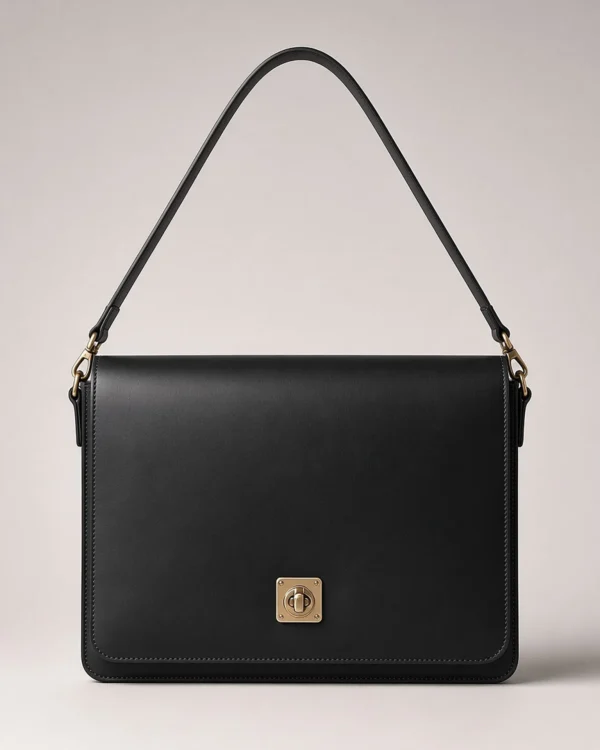
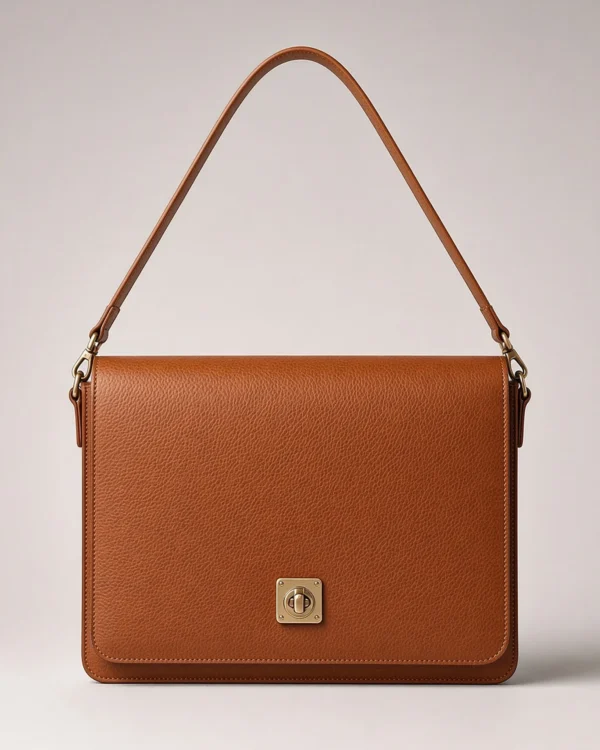
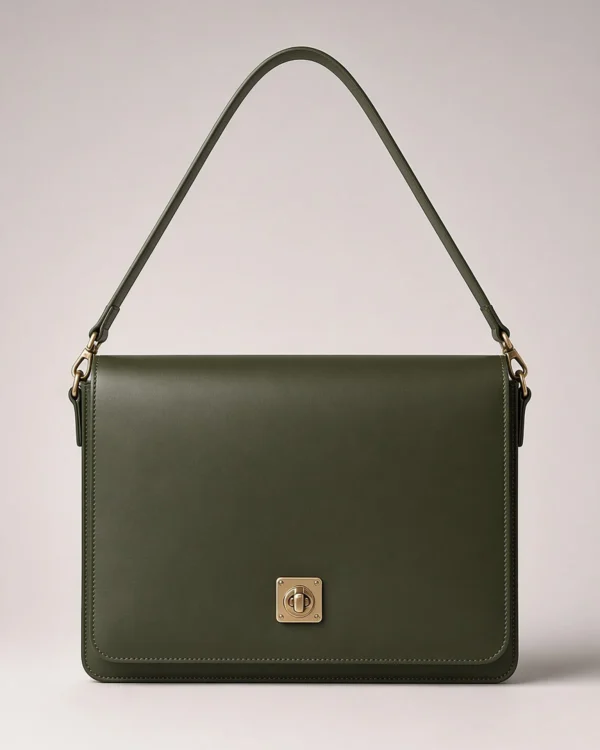
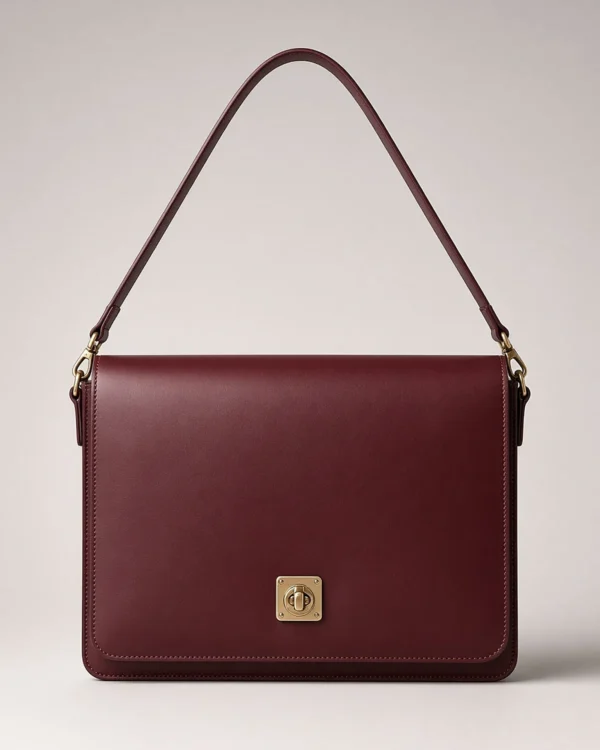
What is in this collection
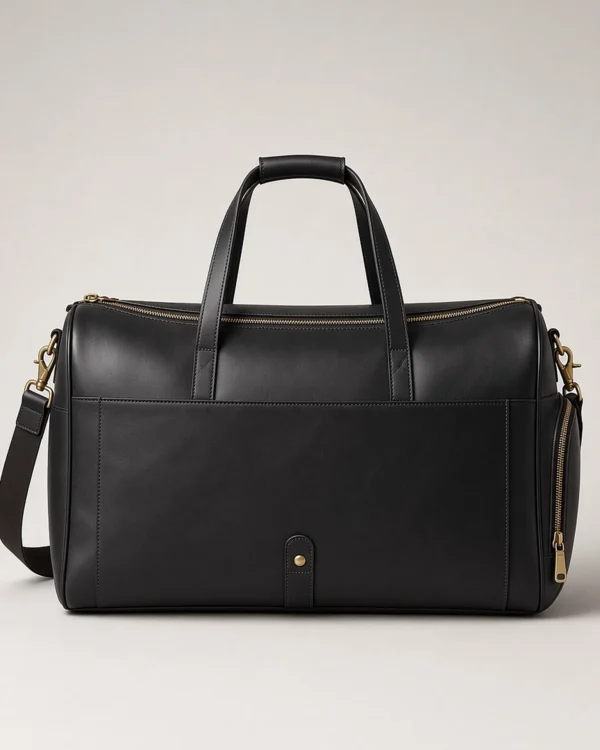
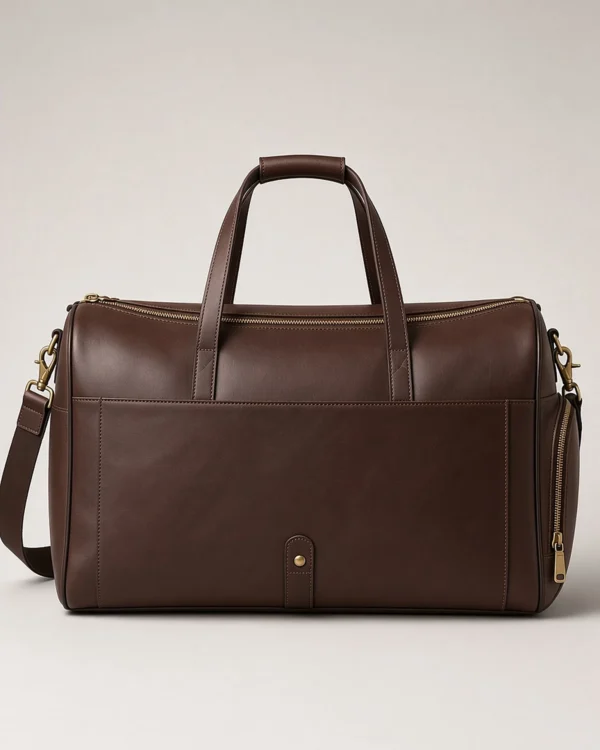
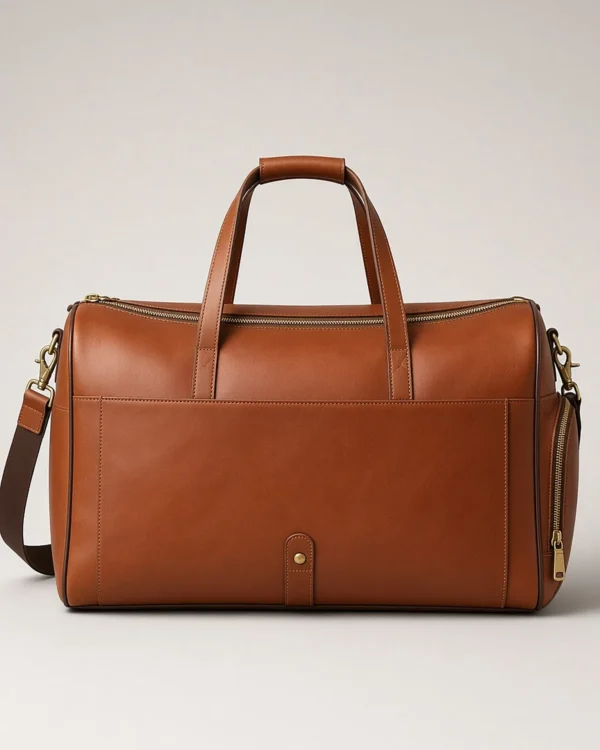
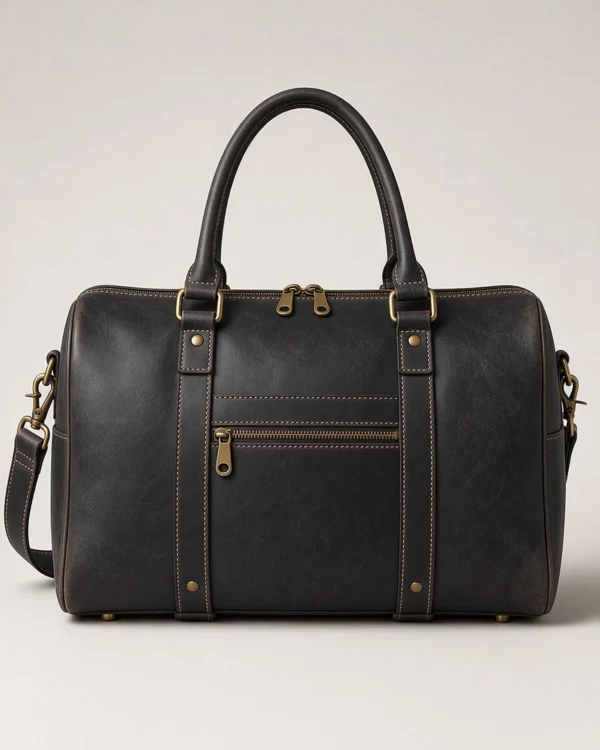
Every full grain bag we make, in one place: leather handbags and everyday purses, leather tote bags for work and weekends, crossbody bags, sling bags and belt bags. Hand woven styles such as the Wren woven tote are here too, because every strand of the weave is full grain. So are our buffalo leather bags, which are full grain buffalo hide. Suede is the inner side of the hide, so it has its own page: suede bags.
Why full grain is stronger
A hide is not the same all the way through. The fibers near the surface are dense and tightly interlocked, and they get looser the deeper you go. Full grain keeps that dense top layer. That is why a full grain strap can be thin and still carry a full bag without stretching, and why we can saddle stitch rather than glue: the leather is strong enough to hold a stitch under load.
What the marks are
Every full grain bag has small marks in it, and they are not defects: healed scratches, insect bites, a slight color shift where the hide was thicker. Sanding those away is exactly what turns full grain into top grain. We cut panels around the worst of them and leave the rest, because removing them means removing the strength with them.
How it ages, month by month
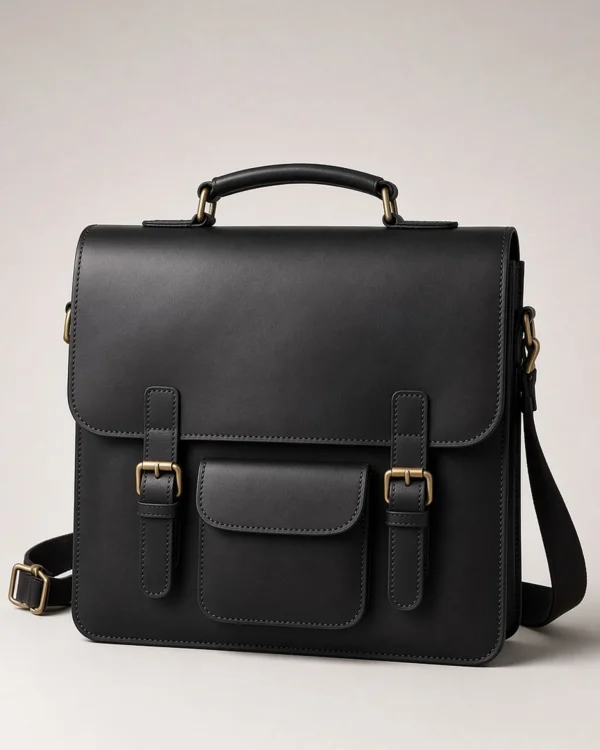
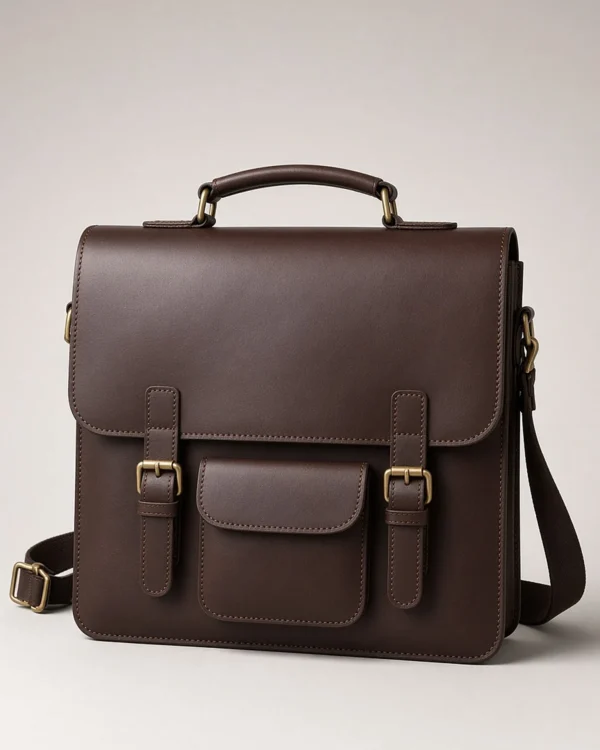
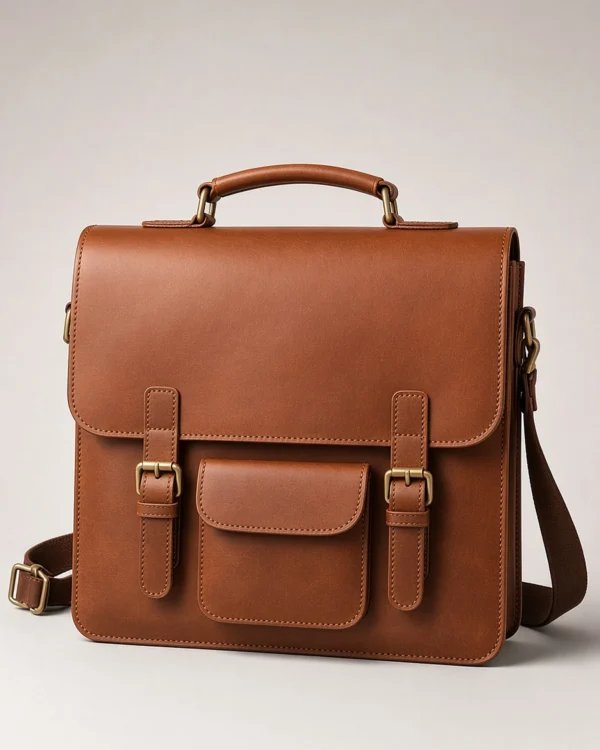
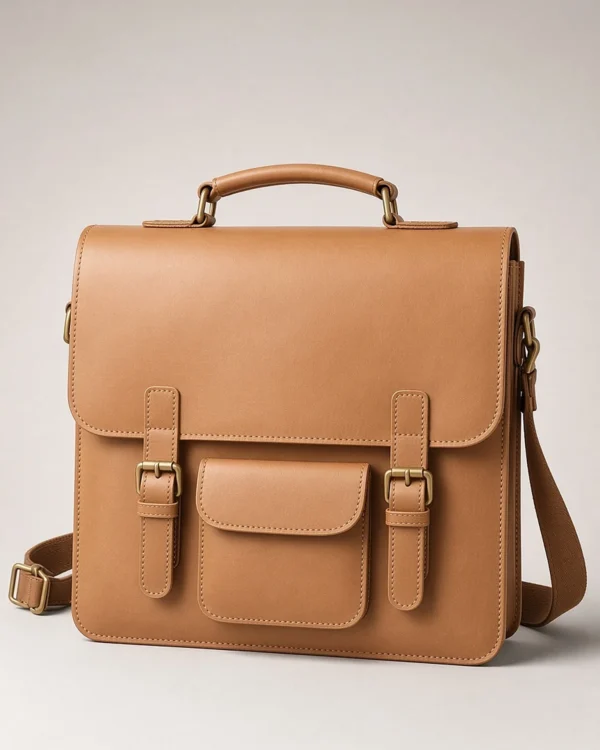
For the first month the bag looks close to its photographs. Between months two and six the handles and strap darken first, because that is where the oils from your hands go. By the end of the first year the body has deepened a shade or two and the corners have started to burnish. After two years a tan bag is close to chestnut. That is the patina, and it is the whole point. Black and chocolate change the least; tan and cognac change the most.
How to tell full grain from top grain
Look at the surface at an angle under a light. Full grain has an irregular pore pattern that changes across the panel, because skin is irregular; embossed leather has a pattern that repeats, because it came off a plate. Look at a cut edge: full grain is the same color through its thickness or slightly paler, while a coated split has a distinct skin over a fibrous core. Press a thumbnail in gently: full grain marks and the mark fades, while a plastic finish does nothing at all.
Prices
| Style | Price |
|---|
| Bude phone crossbody | $110 |
| Ely belt bag | $115 |
| Tenby mini crescent, Mabel clutch | $125 to $135 |
| Skipton sling, Tilly mini, Rye woven mini | $145 |
| Ludlow, Ripley, Kendal, Hexham | $165 to $175 |
| Hollis, Ashby, Wells, Marlow tote | $185 to $209 |
| Thirsk, Lorne work tote, Rydal satchel | $195 to $225 |
Looking after it
Very little. Keep it out of long direct sun, wipe it dry rather than wet, let it dry slowly if it gets soaked, and use a neutral conditioner two or three times a year. Full instructions are in how to care for a leather bag. Stitching is covered for life and hardware for five years, and any bag can come back within 30 days, initials or not.
What to check on any leather bag before you buy
Ask which grade it is; "genuine leather" and "real leather" without the word full grain usually mean a lower layer. Look at the edges: burnished or waxed edges last, painted edges crack and peel. Look at where the handles or strap meet the body: they should be stitched through doubled leather, ideally riveted, not glued to a thin tab. Check the hardware: solid brass does not flake, while plated zinc shows its grey core within a year. Every bag in this collection is full grain with solid brass hardware.
Related collections
Compare materials in shop by leather, or see suede bags and waxed canvas bags. For gifts, every full grain bag takes free initials: see personalized leather bags.