Brown vs Black Leather Bag: Which to Buy First
If you can only buy one leather bag, black or brown decides how often you'll carry it. This guide gives a two-minute closet test, a what-goes-with-what table, how each color ages, which brown to choose, and which to buy first and second.

Buy black first if your clothes are mostly black, gray, navy and white, if you need one bag for work and formal events, or if you want a bag that hides stains. Buy brown first if you wear a lot of denim, cream, camel, olive and warm colors, or if you want a bag that looks better as it ages. If your wardrobe is a mix, a mid-to-dark brown such as cognac or chocolate is the most versatile single choice, because it works with both warm and cool clothes. Whichever you choose first, the other color is the best second bag.
This guide helps you make that first choice. (For which bag color goes with a specific outfit, see what color purse to wear. For how to pick a good black bag once you’ve decided, see how to choose a black leather bag.)
Disclosure: We are a leather bag workshop and the product boxes show our own bags, with prices as listed in November 2026. The color advice applies to any brand.
The two-minute closet test
Open your closet and count the clothes you wore most in the past month, not everything you own.
- Count the cool and dark colors: black, charcoal, gray, navy, white, cool pastels.
- Count the warm and earthy colors: denim, cream, camel, beige, olive, rust, brown, khaki.
- Look at your shoes and belts. Are they mostly black or mostly brown and tan?
- Think about your metals. Do you wear more silver or more gold?
| If most of your answers are… | Buy first |
|---|---|
| Cool, dark, silver, black shoes | Black |
| Warm, earthy, gold, brown shoes | Brown (cognac or tan) |
| A mix of both | Mid-to-dark brown (cognac or chocolate) |
| Mostly black, but you want something less severe | Chocolate brown |
What each color goes with
| You’re wearing | Black bag | Brown bag |
|---|---|---|
| All black | Seamless, sleek | Warm contrast; cognac stands out |
| Gray and charcoal | Very good | Good, especially chocolate |
| Navy | Good | Very good (cognac and navy is a classic) |
| White and cream | Strong contrast | Very good, softer |
| Denim | Fine | Excellent |
| Camel and beige | Fine, a little harsh | Excellent |
| Olive and khaki | Good | Excellent |
| Burgundy and rust | Good | Very good |
| Bright colors | Very good, grounds them | Good with warm brights |
| Prints and patterns | Very good | Good, if the print has warm tones |
| Formal black-tie | Best | Rarely |
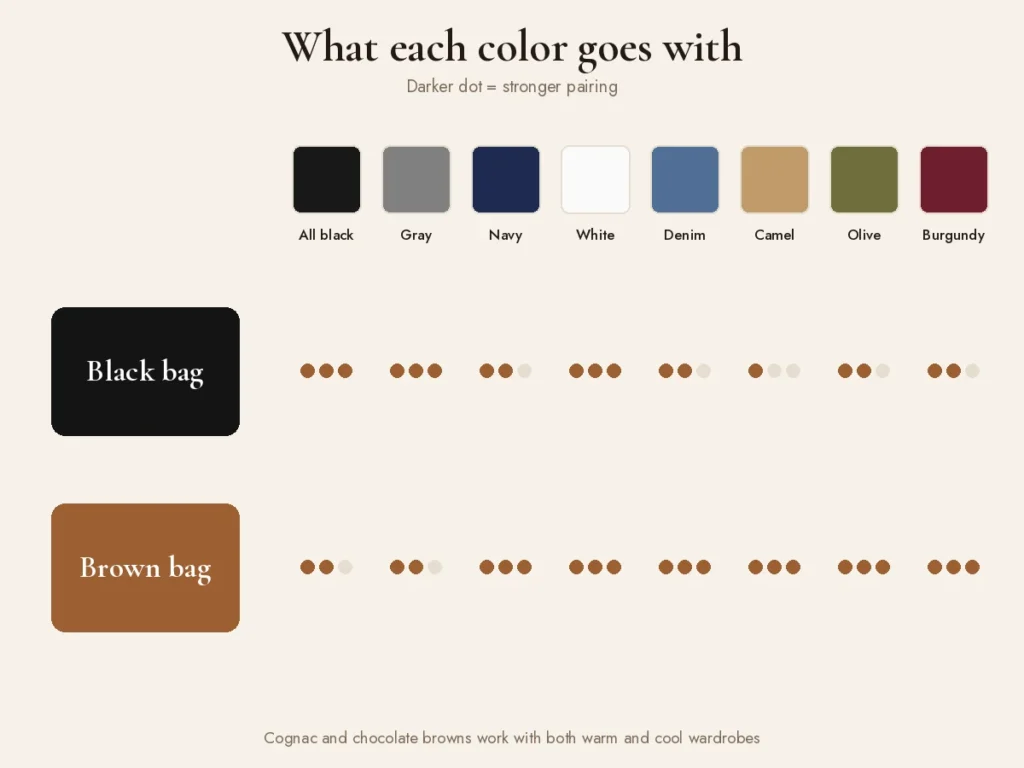
A useful rule: black looks best when your outfit is also dark or crisp; brown looks best when your outfit is soft, light or casual.
Do your shoes and belt need to match?
Not exactly. The old rule of matching bag, belt and shoes still looks polished for formal dress, but for everyday wear it is enough to keep the bag in the same family: black with black or gray shoes, brown with brown, tan or white shoes. Mixing a black bag and brown shoes works when the brown is dark (chocolate) or the black is clearly the main color of the outfit.
How black and brown age
Brown leather changes the most. Smooth brown full-grain leather darkens and gains a soft shine with handling and light, called patina. Scratches on cognac and tan often blend into that patina, so a brown bag tends to look better at year five than at month one. Read more in what is leather patina?
Black leather changes the least. It keeps a uniform look for years and hides stains well, which is why it’s the default for work. Its weak points are worn edges and corners, which can show lighter gray or brown lines, and strong sunlight, which can slowly fade black toward brown.
| Black | Brown | |
|---|---|---|
| Hides stains | Best | Good (dark brown), fair (tan) |
| Hides scratches | Fair; scratches can show lighter | Good; they blend into patina |
| Ages | Stays the same | Darkens and gains character |
| Formality | Highest | Medium to high (dark), casual (tan) |
| Seasons | All year | All year; tan feels most like summer |
| Needs care | Edge touch-ups, dusting | Occasional conditioning |
Which brown? Tan, cognac, chocolate or oxblood
“Brown” covers a wide range, and the shade matters as much as the choice between brown and black:
- Tan: light and warm. The most casual, the best summer color, and the quickest to show water marks and dark stains.
- Cognac: a warm mid-brown with a red-orange glow. The most versatile brown, and the classic partner for navy, denim and white.
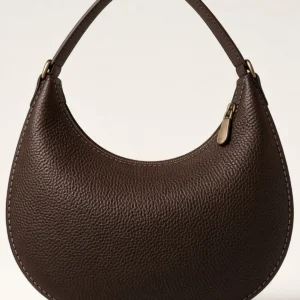
- Chocolate: a deep, cool-leaning brown. The closest brown to black, so it suits people who wear a lot of black but want something softer.
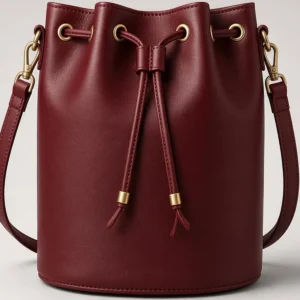
- Oxblood: a deep red-brown. Not quite brown or burgundy, it works as a neutral with navy, gray, black and camel and makes an excellent second bag.
Hardware: gold or silver with black and brown
Hardware changes how each color reads. Brown and brass or gold hardware is the classic warm pairing and looks rich rather than flashy. Black with silver or nickel looks sharp and modern; black with brass looks warmer and a little more vintage. If you wear mostly gold jewelry, either color with brass hardware will suit you; if you wear mostly silver, black with nickel is the easiest match. Our bags use solid, unplated brass, which darkens slightly with age, much like the leather.
Texture changes the answer too
The same color behaves differently in different leathers:
- Smooth leather shows the biggest difference between black and brown: black looks formal, brown develops the most patina.
- Pebbled leather makes black less severe and hides scratches on both colors. It’s the best choice for a first bag you will use hard.
- Suede softens both. Brown suede (tobacco, chocolate) is one of the most versatile casual bags; black suede is a good evening alternative to smooth black. Suede in either color needs a brush and should stay out of heavy rain.
- Woven and hair-on add pattern, so a black woven bag or a brindle hair-on bag works as a neutral with more interest. See what is pebbled leather? for how grain affects wear, and soft vs structured leather bags for how construction changes the look.
Care: what each color needs
- Black: dust it often (dust shows on black), condition it two or three times a year with a neutral conditioner, and touch up worn edges with edge paint.
- Brown: condition it a little more often, especially tan, which dries and spots faster. Water marks on tan usually even out if you dampen the whole panel lightly and let it dry slowly away from heat.
- Both: store stuffed with tissue in a cotton dust bag. Full steps are in how to clean a leather bag.
Which to buy first, by situation
| Situation | First bag | Why |
|---|---|---|
| Office with a formal dress code | Black | Most formal, hides stains |
| Creative or casual office | Cognac | Polished but warmer |
| You wear mostly black | Black or chocolate | Chocolate if black feels severe |
| You wear mostly denim and neutrals | Cognac or tan | Matches the warm palette |
| You travel often | Black or chocolate | Hides marks from airports and trains |
| You want it to age well | Cognac or tan | Patina improves it |
| Evenings and events | Black | Works with every evening color |
| Summer-only bag | Tan | The lightest, most seasonal |
Brown vs black leather backpack
The same logic applies to backpacks and work bags, with two differences. Backpacks take more scuffs on the base and the back panel, so black or chocolate hides wear better than tan. And a brown leather backpack looks more casual and outdoorsy, while a black one looks more like a work bag. For a daily commuter backpack, choose black or chocolate; for weekends and travel, cognac or tan.
Can you wear black and brown together?
Yes. A brown bag with a black outfit is one of the easiest ways to warm up head-to-toe black. Black and brown together look intentional when one clearly leads (mostly black with a cognac bag, or mostly brown with a black bag) and when the textures differ, such as a suede bag with smooth leather boots.
The second bag
Whichever you buy first, the opposite color is usually the most useful second bag. Black plus cognac covers almost every outfit. If you already own both, oxblood is the next neutral to add; it reads as a color without clashing with anything.
Browse our brown leather handbags and black leather handbags. Most of our bags come in black and at least two browns. Every bag is made to order and dispatched in 5 to 7 working days.
Frequently asked questions
Is a black or brown purse more versatile?
Black is more versatile with dark, cool and formal clothes; brown is more versatile with denim, cream, camel and warm colors. For a mixed wardrobe, cognac or chocolate brown is the most versatile single choice.
Should my first leather bag be black or brown?
Black if you need one bag for work and formal events or you wear mostly dark colors. Brown, usually cognac, if you wear denim and warm neutrals or want a bag that ages well.
Does a brown bag go with black clothes?
Yes. A cognac or chocolate bag warms up an all-black outfit. Keep the bag the only brown piece, or pair it with brown shoes in a similar shade.
Does a black bag go with brown shoes?
It can, especially with dark brown shoes. It looks most deliberate when black is the main color of the outfit.
Which ages better, black or brown leather?
Brown. Smooth brown full-grain leather darkens and develops a patina, and scratches blend in. Black stays the same for years, but worn edges can show lighter lines.
Which brown leather is most versatile?
Cognac. It works with navy, denim, white, gray and black, and it is formal enough for most offices.
Is oxblood a neutral?
For bags, yes. Deep oxblood pairs with navy, gray, black, camel and denim, which is why it makes a good second or third bag.